Apple and Intel Reach Preliminary Chip-Making Deal in U.S. Foundry Pivot
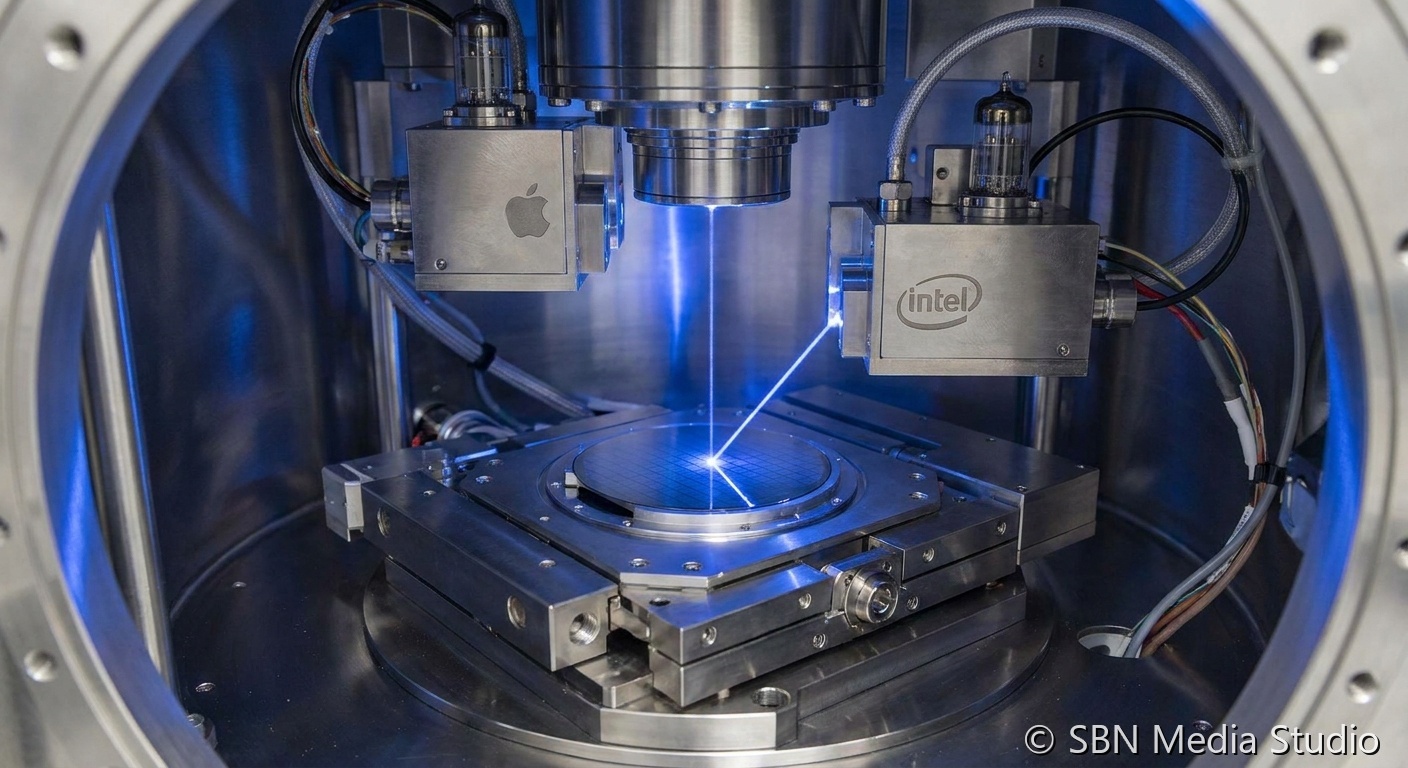
Apple and Intel have reached a preliminary agreement for Intel to manufacture some of the chips that go into future Apple devices, the Wall Street Journal reported on Friday, May 8, 2026. Tom’s Hardware, CNBC and Reuters confirmed the framework deal, which caps more than a year of detailed talks between the two companies and is the most significant external customer win for Intel Foundry since CEO Lip-Bu Tan took the chief executive role last year. Intel shares jumped as much as 19% on the news, extending the stock’s 2026 rally to roughly 240% year to date.
Apple currently sources every advanced chip in its lineup — the A-series, M-series and S-series — from TSMC, and the Cupertino company has been visibly squeezed by the AI capex super-cycle. TSMC’s leading-edge 3nm and 2nm capacity is over-allocated to NVIDIA, AMD and Broadcom, leaving Apple supply-capped on iPhone 17 and the new MacBook Neo. A second domestic foundry partner would let Apple diversify away from a single Taiwan-based supplier while also satisfying U.S. government pressure to onshore more semiconductor production. The Trump administration encouraged the talks as part of the broader Chips-Act-2 push, according to the Wall Street Journal.
For Intel, the deal validates Tan’s decision to keep Intel Foundry alive and push hard on the 14A node, which has been actively courted by AMD, NVIDIA, Google and now formally Apple. CFO David Zinsner said earlier this quarter that advanced packaging revenue will now generate billions of dollars annually, up from prior “hundreds of millions” guidance, and Tan has framed agentic-AI demand as the inflection point pulling forward CPU and packaging orders. The agreement is still preliminary and could fall through during the definitive-document phase, but its symbolic weight is large: it ends Apple’s decade-plus pattern of treating TSMC as a sole leading-edge source.
Sources
Wall Street Journal, Tom’s Hardware, CNBC, Reuters